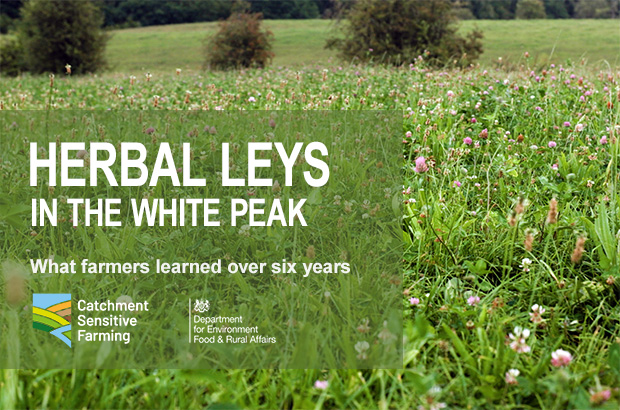
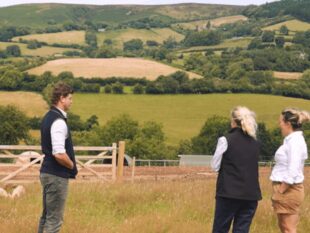
Last summer, we visited farmers in the Derbyshire White Peak to hear what they’ve learned from growing herbal leys in improved grassland systems. Working with Catchment Sensitive Farming adviser Ben Rodgers, they have been exploring how multi-species swards can be integrated into grassland farming. In this post, we’re sharing the first films from that work.
This is a reminder that the consultation will close on 18 May at 23:59. If you have not yet responded, we encourage you to share your views before the deadline.
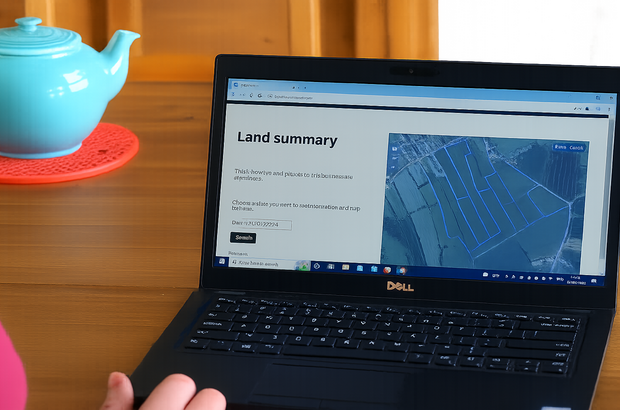
Initial information on the SFI26 scheme is now live on GOV.UK for farmers who may be eligible to apply in Window 1.
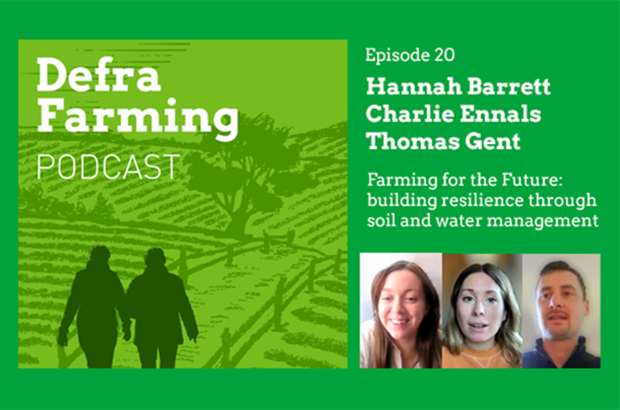
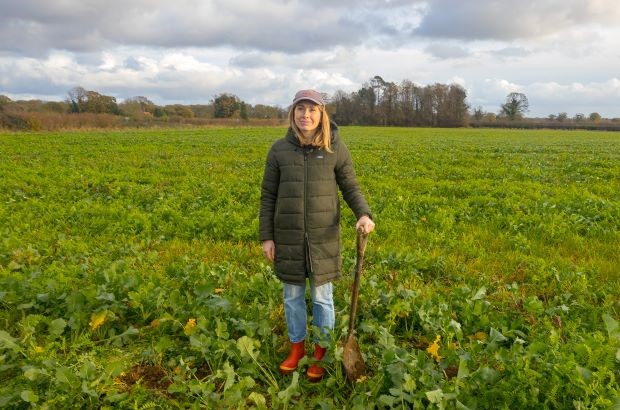
In this episode, a Catchment Sensitive Farming adviser speaks to two arable farmers. One farms in Norfolk and the other in Cambridgeshire. They discuss how natural processes, like soil and water management, can help farms reduce costs.
Through the Farming Innovation Investor Partnerships competition, 12 projects are expected to secure more than £40 million in private investment to help bring agri-tech innovations to market. A further competition will open next month.
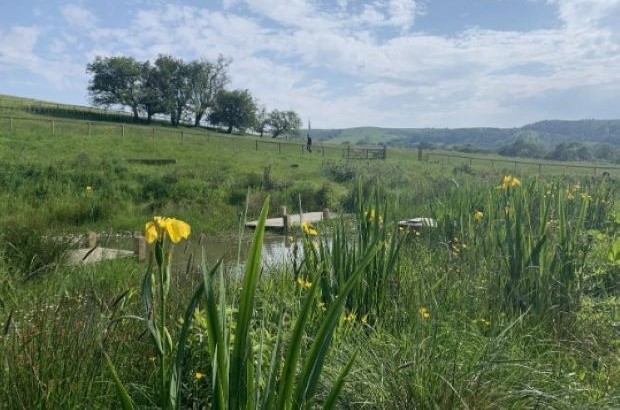
You can now apply for a Lowland Peat Water Discovery Grant. Up to £4.5 million is available to help farmers and local partners explore more sustainable ways of managing water in lowland peat areas.
Applications are open for FETF 2026, with £50 million available to help farmers, growers and contractors invest in equipment that improves productivity, animal health and welfare, and slurry management.
The Farm Tenancy Forum has published new guidance to support landlords and tenants considering long-term Farm Business Tenancies. The guidance helps both parties set clear expectations from the outset and will help build strong, productive landlord-tenant relationships.
On 19 March, we’re hosting a webinar for farmers and land managers across the East of England on how practical changes to farming systems can build farm resilience. In this post, we explain what the webinar will cover and where to find further support.
Whether you’re looking to improve soil health, manage flood risk, diversify income or plan future environmental activity, your Local Nature Recovery Strategy can help you decide what to do.



 The
The