The Farmer Collaboration Fund (FCF) is designed to support practical, locally led action that helps farmers and land managers in England work together to build more sustainable, productive and resilient farming businesses.
Over the long term, the aim is to strengthen the future of farming by supporting nature recovery, improving resilience, and helping farmers tackle shared challenges through collaboration.
As you would expect, designing a fund that promotes collaboration has required collaboration too.
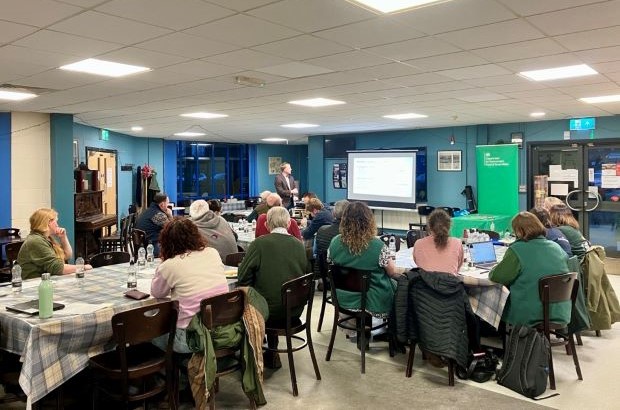
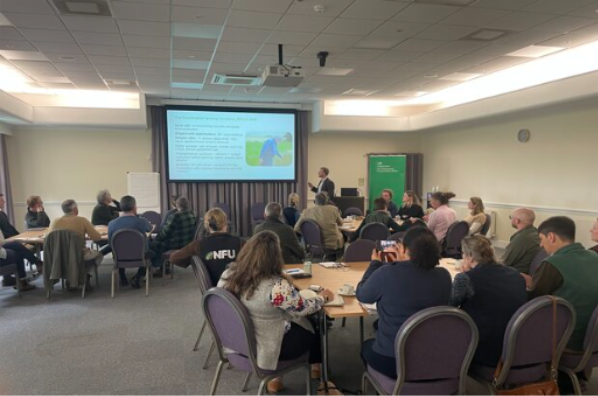
The fund has been shaped with farmers and land managers through workshops held across the country, helping us understand what works well and where support is needed most.
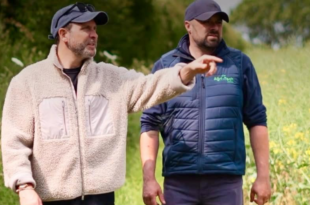
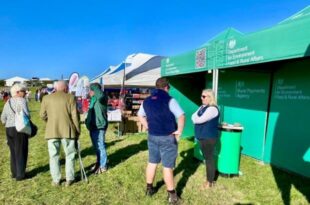
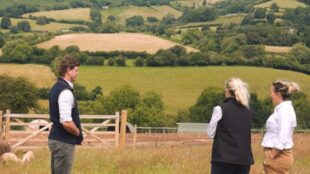
As part of this work, we hosted a series of events with farmers, land managers and facilitators across the country
We wanted to understand what helps people work together, what barriers can stand in the way, and how government can best support collaborative approaches.
The conversations were open, practical and grounded in real-world experience.
These discussions have played an important role in shaping the fund, helping us design an offer that reflects the realities of farming and works for the people who will use it.
In this post, we share what we heard and how these views have shaped our approach.
Starting with what works
Collaboration is not new. Farmers and land managers across the country are already working together: sharing ideas, tackling challenges and improving their farms and the environment.
Many of these groups have grown over time with support from local organisations and individuals.
We were told, quite rightly, that the fund should not disrupt this. It should build on it.
So that is what we are doing. The Farmer Collaboration Fund will support both existing groups and new ones, building on what is already working well.
Farmer-led collaboration
We heard that collaboration groups should be farmer-led.
The fund will be delivered through organisations with experience of supporting collaborative groups, while ensuring that farmers remain in control of their priorities.
In practice, this means delivery partners will help coordinate groups and manage administration, while farmers decide what to focus on and how their projects develop.
We will ask delivery partners to demonstrate that they have worked with farmers and existing groups when developing their proposals. The fund will also support access to independent expertise where needed.
We also recognise that collaboration evolves over time. Groups may refine their priorities as relationships develop and opportunities emerge, so plans will need the flexibility to adapt as work progresses.
A practical approach to delivery
We heard a range of views about delivering funding through partner organisations.
For some, this reflects what is already working well in their area. For others, it raised questions about value for money, administration and ensuring fair access to funding.
To address these concerns, we are developing an approach that provides appropriate oversight of how funding is used. We are also exploring how delivery partners can work together when bidding for funding, helping to build on local strengths and reduce the risk of gaps in coverage.
We will also ask delivery partners to ensure that farmers are at the heart of decision-making. This could include establishing expert farmer panels to help inform funding decisions and ensure farmers remain at the centre of the process. This is similar to the approach used in the Farming in Protected Landscapes (FiPL) programme.
Our aim is to deliver the fund in a way that is efficient, transparent, locally responsive and accountable.
The role of facilitators
Throughout the workshops, the importance of facilitators came through clearly.
Farmers spoke about the difference a skilled, trusted facilitator can make in helping groups build relationships, maintain momentum and work through challenges.
As a result, we are allowing facilitators to use their time flexibly – working one-to-one with farmers and land managers as well as in group settings. We are also allowing funding for facilitator training and access to practical resources.
We will draw on the experience of previous programmes and funds to understand what works best and ensure facilitators have the right support to help groups succeed.
Strong facilitation will be an important part of helping collaborative projects get established, adapt over time and deliver lasting benefits for farmers and land managers.
Providing stability over time
Collaboration and trust take time to build. Meaningful change often takes longer than a single year of funding.
Successful projects in each round will receive funding for up to 3 years, providing the stability needed to build relationships, develop shared priorities and plan for the long term.
For example, an organisation awarded £200,000 a year would receive that funding for up to 3 years.
New projects will then be able to access funding through subsequent rounds, allowing more farmers and land managers across England to benefit from the fund over time.
Engagement and flexibility
We heard that not every farmer will want to take part in collaborative activity from the outset.
Some may choose to get involved later, once they can see clear benefits and learn from the experience of others.
We recognise that this is a natural part of how collaborative groups develop and grow over time.
We also heard strong support for a flexible approach, alongside a need for greater clarity in some areas.
In response, we will provide guidance ahead of the fund opening to help delivery partners make informed decisions, while avoiding overly prescriptive rules.
Maintaining flexibility will remain an important principle of the fund, allowing groups to adapt as their priorities, membership and ambitions evolve.
We’ll share details of an upcoming webinar in our next post and provide a link to the guidance once it is live.
Subscribe to the Farming Blog for an email notification whenever we publish a new post.