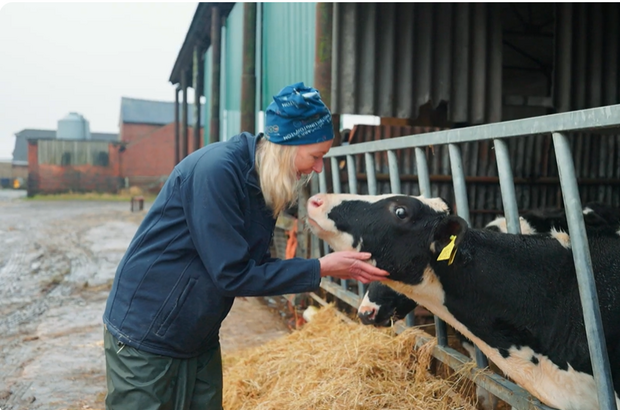
The government has today launched the Animal Welfare Strategy for England.
It sets out a comprehensive programme of reforms to improve the lives of millions of animals across England, from farm animals and pets to wildlife.
In this post, we’ll summarise what this means for livestock keepers and the wider rural community.
Background
With over 150 million farmed animals in England, animal welfare has significant implications for animal and human health, as well as for the economy. It is an issue that many people care deeply about.
Plans for an animal welfare strategy were announced in 2024 by Baroness Hayman of Ullock. Since then, the government has worked with stakeholders to develop it.
Today’s strategy reinforces the UK’s long-standing commitment to high animal welfare standards. It takes a practical and proportionate approach that recognises the realities of farming and food production.
We want to explore where these standards can be raised further.
The strategy sets out what only the government can do, such as establishing a regulatory framework and providing a clear direction of travel. It also establishes the need to work in partnership with industry and others to collectively improve animal welfare, underpinned by effective enforcement.
By improving animal welfare, we are supporting healthier, more productive livestock that delivers better outcomes for farmers, improves farm profitability, and strengthens food security.
This approach also supports the conclusions of the Farming Profitability Review, which highlights the importance of enabling farmers to earn fair returns from the market.
High animal welfare standards are a core strength of British agriculture and help to build trust with consumers, add value to food produced in England, and support strong domestic demand.
By protecting farmers from unfair competition while promoting the quality and integrity of British produce, we are helping to ensure that high standards translate into improved profitability and more resilient farm businesses.
A joined-up approach to welfare and productivity
The Animal Welfare Strategy for England considers animal welfare in the round, recognising the close link between animal health, welfare and profit.
The strategy sets out reforms under 4 areas:
- farmed animals
- companion animals
- wild animals
- international trade and standards
It complements the Animal Health and Welfare Pathway, which supports farmers with practical advice, vet input and funding to prevent disease, reduce antibiotic use and make ongoing improvements to animal health and welfare on farms.
The strategy includes plans to:
- move away from confinement systems such as colony cages for laying hens and pig farrowing crates, giving animals greater freedom
- address welfare concerns around stunning pigs with carbon dioxide
- promote the use of slow-growing meat chicken breeds that support improved welfare outcomes
We will work closely with charities, farmers, vets, and industry to ensure these reforms are practical and deliverable, and that farmers are given enough time to adapt.
We recognise the potential for increased divergence between our standards here in the UK and those of other countries.
We will always consider whether overseas produce benefits from an unfair advantage because it is not required to meet the same animal welfare, environmental, or other domestic standards as UK producers.
We are prepared to take appropriate steps to protect our most sensitive sectors and uphold those standards where necessary.
Animal welfare in rural communities
The strategy also addresses the government's manifesto commitments, including:
Banning the use of snare traps on wild animals
Banning the use of snare traps on wild animals means stopping the use of wire loops that tighten around an animal when it is caught, often leaving it injured or distressed for long periods.
This matters because snares can cause serious suffering and often catch animals they were not meant to, including pets and protected wildlife. Ending their use would improve animal welfare, reduce accidental harm, and help promote safer, more humane ways of managing wildlife in rural areas.
Banning trail hunting
Trail hunting is a practice where hounds follow an animal scent, but it can be possible for them to pick up the scent of wild animals and chase or kill them.
Ministers have confirmed their intention to ban trail hunting. The strategy commits to consult in the new year on how to deliver an effective ban.
Introducing a close season for hares during breeding
We will be considering how best to bring forward a close season for hares. Introducing a close season for hares protects vulnerable leverets born above ground. Fewer leverets will be left motherless and vulnerable to starvation and predation.
It encourages sustainable wildlife management by restricting control during the most sensitive breeding period and brings hares into line with conservation principles that already apply to many other species.
Next steps
The Animal Welfare Strategy for England sets a clear direction of travel, but many of the proposals will be taken forward through consultation and ongoing engagement with farmers and industry.
This includes further detail on reforms affecting livestock systems, alongside continued rollout of the Animal Health and Welfare Pathway to support improvements on farms.
From 22 January 2026, payments for the animal health and welfare review and the endemic disease follow-up will increase.
Additionally, a recent update to the law means that farmers will soon have clearer and stronger legal protection against livestock worrying under the Dogs (Protection of Livestock) Act 1953.
Farmers and stakeholders will have opportunities to share their views as consultations are launched and guidance is developed.
We are committed to working closely with the sector to ensure changes are practical, proportionate and deliver real benefits for animal health, welfare and farm businesses.
To stay up to date with the latest announcements, consultations and support available, subscribe to the Farming blog. You’ll receive a notification as soon as we publish a new post.



 The
The 
17 comments
Comment by H Hillman posted on
I think you should also look at banning fireworks (maybe allow well publicised public licensed displays) and lanterns which cause massive distress, and sometimes injury or death to wildlife, farmed and companion animals and horses.
Comment by The Team posted on
Hello,
Thank you for sharing your views. We recognise concerns about the impact that fireworks and sky lanterns can have on animals, including wildlife, livestock and pets.
There are existing rules covering the sale and use of fireworks and restrictions on sky lanterns. We’ll pass your comments on to the Animal Welfare Strategy team as part of ongoing work in this area.
Thank you for contributing to the discussion.
Best wishes,
The Team
Comment by Paul Stead posted on
I sincerely hope that any policy changes are created after consultation with farmers and those working in rural communities and not just created by people sat in offices in cities, who have no inkling of the effects of their ideas on those who will be most affected. Having lived and worked in rural communities for over 50 years, I have come to realise that there is a massive disconnect between those who live in towns/cities and those who live in the countryside and yet it is those same people in the cities that believe that they know best how to manage the countryside. Nobody knows best, everybody should be willing to listen, and to learn, and from that position, well-thought out policies can be created.
Comment by Sarah Stewart posted on
Hi Paul,
Thank you for taking the time to write and share your perspective. Your experience of living and working in rural communities brings valuable insight to discussions about animal welfare.
We recognise the importance of ensuring that animal welfare policy is informed by the practical realities of farming and rural life. We are fortunate to have a diverse team working across the country, including people who farm themselves, bringing real-world experience and local insight to our work. This is complemented by regular engagement with farmers, vets, animal welfare organisations and rural stakeholders, ensuring our policies are informed by a wide range of expertise and perspectives.
Good animal welfare depends on partnership: listening to those who care for animals every day, learning from evidence and experience, and recognising that no single perspective has all the answers. Policies developed in this way are more likely to be workable, proportionate and effective.
We are committed to continued engagement to ensure our policies reflect both high welfare ambitions and the realities of delivery on the ground.
Thank you again for contributing to this important discussion.
Best wishes,
Sarah
Comment by Julie Crabtree posted on
A good idea would be to ban the release of urban foxes by welfare groups/charities into the open countryside where they are completely unsuited to survive. They aimlessly wander into farmyards looking for food.
Comment by Sarah Stewart posted on
Hi Julie,
Thank you for getting in touch.
Current guidance is clear that captured foxes should not be relocated or released into unfamiliar environments. Transporting and releasing foxes from urban areas into the countryside can cause significant stress and reduces their chances of survival. https://www.gov.uk/guidance/foxes-moles-and-mink-how-to-protect-your-property-from-damage#foxes
Your comment will be shared with the Animal Welfare Strategy team as part of ongoing work in this area.
Best wishes,
Sarah
Comment by Lynda Morris posted on
Why do Defra let small holders ill treat animals. Take some away and let the animals die slowly. Dead goats in fields. Baby piglets attract and killed by their own dogs. I’ve reported so many places in wales of extreme ill treatment. They still letting them keep livestock. Why???
Comment by The Team posted on
Hi Lynda,
Thank you for getting in touch. This sounds very distressing.
All livestock keepers in the UK, including smallholders, are legally required to meet animal welfare standards. The principal legislation is the Animal Welfare Act 2006, which places a duty of care on anyone responsible for an animal.
If you are concerned about the welfare of livestock, you can contact the Animal and Plant Health Agency (APHA). The APHA is responsible for safeguarding the welfare of animals on farms.
England: 03000 200 301 or email customeradvice@apha.gov.uk
Wales: 0300 303 8268 or email apha.cymruwales@apha.gov.uk
Before contacting APHA, it is helpful to gather the name of the farm and its precise location (the what3words app can help), details of your concerns and the animals involved, photos or video evidence, the names of anyone involved (if known).
Best wishes,
The Team
Comment by Deborah Chennells posted on
The welfare of livestock in wales is heart breaking to see. I’ve reported ill treatment of animals on many occasions. Were animals are starved and being attacked buy their own dogs. Pigs and sheep dead in the field. They still letting them keep animals. Dead goats and pigs. Defra take them away the starving ones and leave the rest to die slowly why???
Comment by The Team posted on
Hi Deborah,
Thank you for getting in touch. Mistreating animals is not acceptable. The Animal Welfare Act 2006 places a duty of care on anyone responsible for an animal.
If you are concerned about the welfare of livestock, you can contact the Animal and Plant Health Agency (APHA). The APHA is responsible for safeguarding the welfare of animals on farms.
England: 03000 200 301 or email customeradvice@apha.gov.uk
Wales: 0300 303 8268 or email apha.cymruwales@apha.gov.uk
Before contacting APHA, it is helpful to gather the name of the farm and its precise location (the what3words app can help), details of your concerns and the animals involved, photos or video evidence, the names of anyone involved (if known).
Best wishes,
The Team
Comment by Sandra Mahdi posted on
Really hopeful the new law changes will strengthen protection for livestock. Any step in this direction by the Government is a caring cause.
Comment by Sarah Stewart posted on
Thank you for taking the time to write. Animal welfare is a priority for the government, and we are committed to developing and implementing changes that uphold high welfare standards, while recognising the vital role of those who care for animals every day.
Best wishes,
Sarah
Comment by Samantha Jones posted on
That's great about laws cming in acmbout animal abuse dogs etc if smone abuses or murders a child they get prison this should also be law for animal abusers as we see everyday scum murdering and abusing animals they live they breath they feel like humans people that abuse animals should get sentenced
Comment by Sarah Stewart posted on
Hi Samantha,
Under the law in England and Wales, the most serious animal cruelty offences can already result in prison sentences. Since 2021, courts have been able to impose sentences of up to five years in custody for the worst cases of animal abuse, as well as unlimited fines and bans on keeping animals.
The Sentencing Council provide the background: https://sentencingcouncil.org.uk/html-publications/animal-cruelty-guidelines-response-to-consultation/#:~:text=Chairman%2C%20Sentencing%20Council-,Introduction,%2C%20Animal%20Welfare%20Act%202006).
Sentencing decisions are made by the courts, based on the facts of each case and the evidence available. The changes to the law were intended to ensure that serious animal cruelty can be punished more strongly where appropriate.
Thank you for raising your concerns and for speaking up about animal welfare.
Best wishes,
Sarah
Comment by Mr Thomas Henry Huddleston posted on
Hound trailing is an historic sport around the English Lake District. It is the main event at many annual country shows that generate necessary income via National and International tourism.
The trails are laid in the same, local place every year, causing little or no disturbance to wildlife. Banning trail 'hunting' will kill this beautiful and historic activity in an instant.
This is not to be conflated with hound packs and horses charging around the country.
Comment by Simon posted on
Where is the section covering the practice of halal and kosher slaughter?
Comment by The Team posted on
Hi Simon,
Guidance here: https://www.gov.uk/guidance/halal-and-kosher-slaughter#requirements-for-slaughter-without-stunning-for-kosher-meat
Best wishes,
The Team