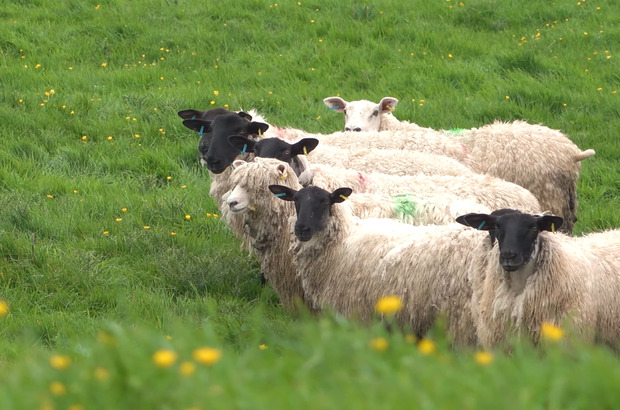
Bluetongue virus is a notifiable disease that affects sheep, cattle, deer, goats and camelids - alpacas and llamas. It is mainly spread by midges but can also pass through infected semen, embryos or oocytes, or from a mother to her unborn offspring.
This summer’s hot weather has been ideal conditions for midges and helped the virus spread quicker.
Bluetongue cases are increasing across Great Britain. The disease is most prevalent in the Southwest, West Midlands, Northwest of England and in parts of Wales.
All of England is in a bluetongue Restricted Zone. Provided animals are not showing clinical signs, keepers can move animals within England without a specific bluetongue licence or pre-movement testing. Separate restricted zones are in place in Wales and southwest Scotland where there are also bluetongue outbreaks.
With cases rising quickly, testing demand has increased significantly. Defra introduced new reporting measures last week to speed up diagnosis, reduce waiting times and help farmers act sooner to protect their livestock.
In this post, we look at the new measures, steps livestock keepers can take to protect animals and upcoming webinars for more information.
New reporting measures in England for bluetongue
We know this is a difficult time for animal keepers dealing with Bluetongue. Defra and the Animal & Plant Health Agency (APHA) are working with farmers and vets to manage the outbreak.
In England, private vets can now diagnose clear cases of bluetongue after examining affected animals.
The new process makes it quicker and easier to confirm clear cases of bluetongue based on clinical signs. Private vets will contact the APHA to formally confirm diagnosis, instead of taking blood samples for testing.
This means straightforward cases do not need to wait for laboratory results, helping farmers get answers sooner and act quickly to protect their livestock.
The new changes don’t mean a reduction in disease controls. The usual safeguards remain in place. Where a vet cannot rule out suspicion of notifiable disease, including foot and mouth, the usual reporting and laboratory testing arrangements will continue.
These new changes reflect the current outbreak in England, where bluetongue is now widespread and well understood. These measures to help tackle bluetongue sit alongside wider disease surveillance and APHA support.
Support and actions for farmers
Sheep and cattle farmers in England can apply for a government-funded vet visit through the Animal Health and Welfare Pathway. The online application takes less than two minutes.
During the visit, vets can check animals for signs of disease, advise on bluetongue risks and suggest ways to reduce them.
Vaccination is the best way to help protect livestock from bluetongue. It is not too late this season, so farmers should speak to their vet and order vaccines as soon as possible.
Government is working with manufacturers to increase vaccine supply. Farmers should start planning for vaccination next year as the virus is likely to overwinter.
Livestock keepers can help reduce the spread of bluetongue by taking a few practical steps:
- source animals responsibly
- check them regularly for clinical signs
- reduce their exposure to midges where possible, especially at dawn and dusk
- maintain good hygiene and biosecurity
If you suspect bluetongue or another notifiable disease, contact your vet promptly. You can find more information and guidance on bluetongue on GOV.UK.
Online webinars
The APHA is hosting webinars for vets to help identify bluetongue, share information on testing, and how to report it:
- Watch our session from Thursday 10 September on YouTube.
- If you have any questions, put them to our panel of experts at the next webinar on Thursday 17 September, 6pm.






Leave a comment