The Farming Innovation Investor Partnerships competition supports businesses developing innovations that are close to market for use on farms.
It combines funding from government with private investment from more than 150 experienced investors in Innovate UK’s Investor Partner Pool.
The aim is to help bring practical, farm-focused innovations into everyday use. The projects focus on improving productivity, reducing costs and, supporting more sustainable farming.
Backed by £8 million (increased from an initial £5 million) of government funding, 12 projects from a previous round of the competition are expected to secure around £40 million in private investment, subject to final checks.
This highlights the powerful role public investment can play in unlocking significantly more private investment.
In this post, I’ll share two project spotlights and outline the next round of the competition opening on 11 May.
Project spotlights
Protecting crops without chemicals
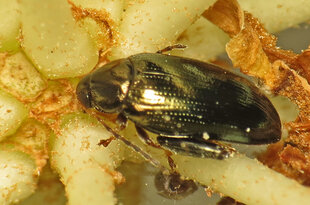
FA Bio (FungiAlert Ltd) is developing a new biological pesticide to help protect two of the UK’s most important arable crops: wheat and oilseed rape.
Pests such as aphids and cabbage stem flea beetle can cause significant yield losses and spread plant viruses, affecting crop health and food production.
Many chemical insecticides are becoming less effective due to resistance, leaving growers with fewer options.
FA Bio’s approach uses naturally occurring beneficial fungi as an alternative to chemical pesticides. Instead of repeated spraying, the treatment can be applied to seeds or soil at sowing.
It then works throughout the crop’s development. This helps protect plants while reducing the need for repeated chemical applications.
Dr Ángela de Manzanos Guinot, Co-Founder and CEO of FA Bio said:
The Investor Partnerships programme enables us to fast-track a biological alternative to chemical insecticides. By aligning public funding with private investment, it supports the commercialisation of biological innovation that reduces reliance on synthetic inputs, protects yields, and improves farm sustainability.
Learn more about FA Bio's project
Using fungi to support tree growth

Trees form beneficial relationships with certain types of (ectomycorrhizal) fungi, which help to support their health and resilience. However, when a tree is planted in a new location, these important fungi may not be present. This can have a negative effect on the tree’s growth and chances of survival.
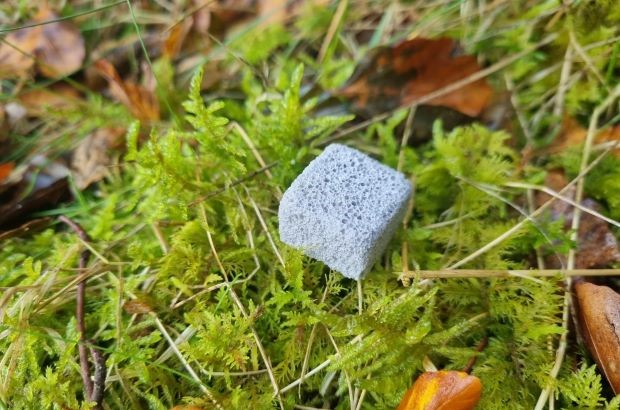
Rhizocore Technology Ltd provides locally sourced beneficial fungi in the form of the Rhizopellet, matched to the right tree and location, which can be applied at the point of planting.
This helps farmers and foresters improve establishment, reduce tree losses and increase the growth rate of newly planted trees.
Dr Toby Parkes, Founder and CEO of Rhizocore Technology Ltd said:
The investor partnership grant will accelerate our data collection on the performance of different fungi in different soil environments. This data will enable us to improve our products by selecting the right fungi for our customers' sites, resulting in more trees surviving and growing faster, increasing the return on investment to our customers and the benefit our products provide to the environment.
Learn more about Rhizocore Technology's project.
The next round
The next round of the competition will open on 11 May.
The aim is for £5 million of government grant funding to attract at least £10 million in private investment.
The application window will remain open until 17 June.
Applicants must be:
- a UK-registered micro, small or medium-sized business
- seeking late seed or Series A investment
- developing an innovation close to commercial use
Projects must:
- deliver clear benefits for farmers, growers or agricultural businesses in England
- cost between £750,000 and £3 million
- last up to 18 months
- be carried out in the UK
Grant funding will cover:
- up to 45% of costs for micro or small organisations
- up to 35% of costs for medium-sized organisations
Further application details from Innovate UK will follow shortly. We’ll blog again when the round opens, so subscribe to the Farming blog.
By subscribing, you’ll receive an email notification whenever we publish a new post.