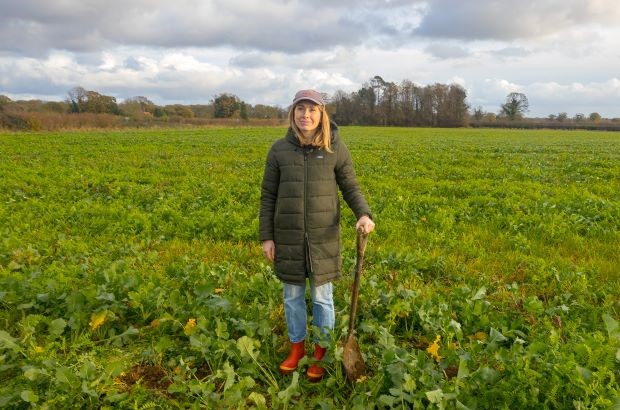
The East of England is known for its flat, fertile land and warm, dry climate, which makes it well suited to crop production.
The region contains 28% of England’s wheat area and 25% of its barley area, making it one of the country’s most productive arable regions.
However, the land and climate in this region can also present challenges. Prolonged dry periods and drought can reduce soil moisture and increase reliance on expensive irrigation.
When heavy rain does occur, soil compaction can increase runoff, leading to flooding, the loss of nutrient-rich topsoil, crop damage and difficulty accessing fields.
Join our webinar
If you farm in the East of England and want to hear how farmers and advisers in the region are tackling these challenges, you can join our free webinar with Farmers’ Weekly.
The webinar takes place on Thursday 19 March at 5pm.
We’ll discuss the challenges facing the region and how practical changes to farming systems can help reduce input costs, improve average yields and build resilience to drought and flooding.
You’ll hear from Charlie, an arable farmer from Norfolk, Martin Lines from the Nature Friendly Farming Network and a Catchment Sensitive Farming adviser. They’ll discuss what works in practice, the challenges involved, and the support and resources available to help you make changes on your own farm.
If you can’t make it, don’t worry. We’ll post the recording in this post, and on our webinars page after the event.
We’re starting with a webinar focused on the East of England, and if there’s interest and people find the session useful, we’ll explore running similar sessions for farmers in other regions.
Regionally targeted support
In addition to the webinar, we’ve been working with farmers and advisers in the region to develop case studies and practical guidance on GOV.UK.
These highlight a range of approaches already being used on farm, including improved soil management, cover crops and buffer strips, to help support crop yields and strengthen business resilience.
These approaches don’t just protect soils and watercourses. They can also help reduce input costs, improve margins and support long-term farm productivity and resilience.
Catchment Sensitive Farming (CSF) advisers provide free, impartial and confidential advice to farmers and land managers across England to produce food in a way that protects water, air and soil.
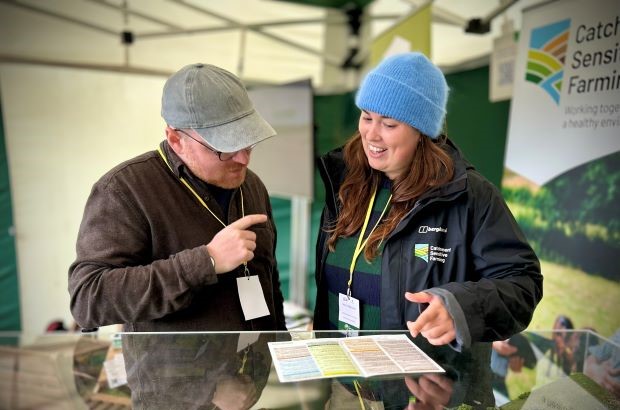
The CSF service is a partnership delivered locally through Natural England and is made up of CSF advisers who work directly with farmers in your area.
If you’d like to get in touch with your local CSF adviser, complete this advice request form and send to your local team. Your local CSF team also host free in person events across England.


 The
The 
Leave a comment