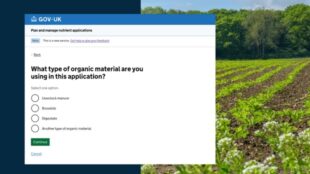
SFI26 update: 50% of Window 1 budget now allocated

We can confirm that around 50% of the Window 1 budget for SFI26 has been allocated, based on applications received to date.

We're working with farms to improve the way we regulate and support farming and the environment.
If you'd like to get in contact with the editor, leave a comment on any post.
We can confirm that around 50% of the Window 1 budget for SFI26 has been allocated, based on applications received to date.
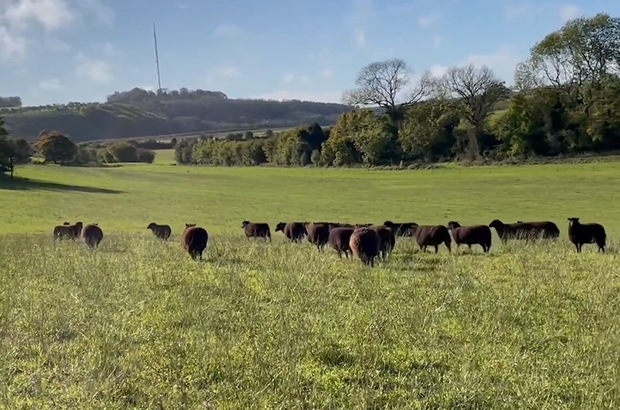
This post outlines our plans to expand CSHT to more farmers and land managers in England.

We can confirm that around 25% of the Window 1 budget for SFI26 has now been allocated, based on applications received so far.
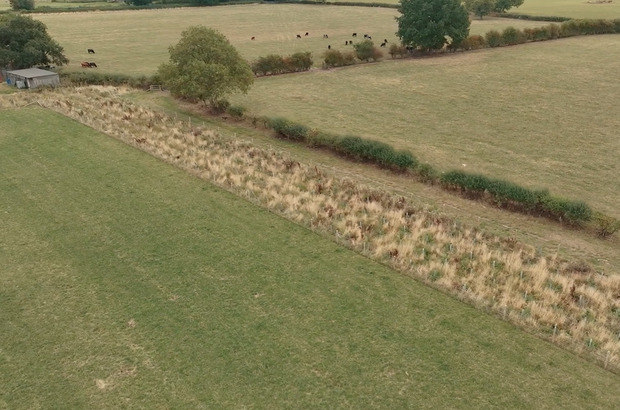
The first application window for the Sustainable Farming Incentive 2026 (SFI26) is now open.

From today, 2 new grants are available to farmers and land managers on lowland peat soils. One provides funding for water management infrastructure, while the other supports research into viable markets for paludiculture and traditional crops grown at higher water tables.

Farming Roadmap 2050: Growing England's Future sets out a clear vision for the future of farming in England. It brings together the government's long-term plans, priorities and commitments for the farming sector in a single place, providing greater clarity and direction for farmers and the wider industry.
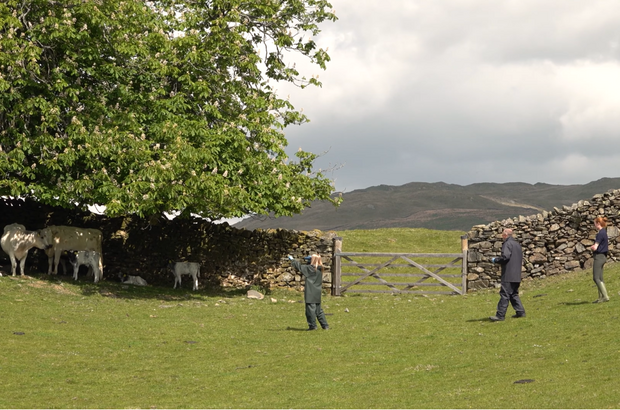
Alongside the Farming Roadmap 2050: Growing England’s future, we’ve published our response to the Farming Profitability Review (FPR), an independent review led by farmer and former NFU President, Baroness Minette Batters.
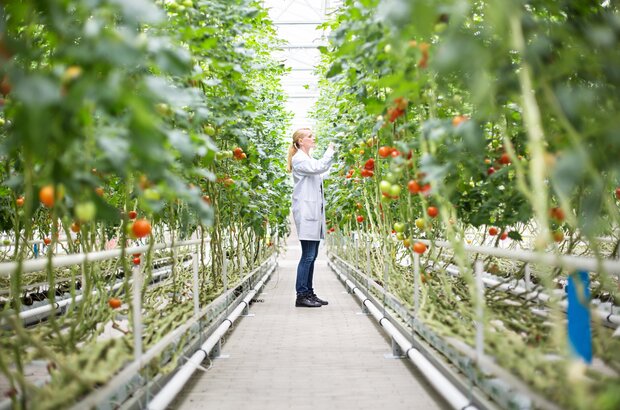
The Farming Innovation Programme (FIP),will receive an additional £53 million investment this year. This means that those trialling new technologies and innovative approaches to cut costs, improve productivity and strengthen business resilience on farms will be able to benefit from a total investment of £123 million across the 2026/27 financial year.
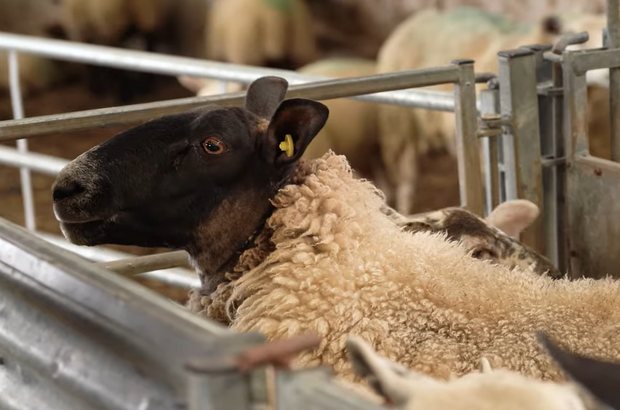
The first grant funding agreements for FETF 2026 are now being issued, bringing successful applicants one step closer to investing in new equipment and technology. Applicants should read their agreement carefully, accept their offer before the deadline and start planning equipment orders with suppliers.

Following the publication of the final Sustainable Farming Incentive 2026 (SFI26) scheme information, we hosted a webinar with the Farming Advice Service (FAS) on 25 June.

22 October How ADOPT funding can support your farm business, 11am to 12:30pm.

Each month, we bring together the latest policy updates, funding opportunities, consultations, research and statistics, helping you stay informed about the issues that matter to you.

15 October Soil Association Organic Trade Conference at the Barbican Centre, London.
30 October Borderway Agri Expo, Borderway, Rosehill, Carlisle.
Find a list of the other shows and events we’re attending.

The Environment Agency is giving farmers greater flexibility by letting existing abstraction licence holders start refilling their water storage reservoirs early, a month ahead of usual schedule. This temporary change runs from 1 October to 31 October.
We recognise the difficulty in getting a long duration abstraction licence and the blocker this presents to long-term investment in sustainable abstraction practices.
As part of the package announced on 1 October to support farmers to access water, the Environment Agency have made it easier for those who don’t currently have an abstraction license to apply for licences that better support long-term investment.
Full details of the changes and information on how to be compliant can be found on the Environment Agency blog.

The Farming Advice Service (FAS) provides free, confidential advice to farmers and advisers.
Catchment Sensitive Farming (CSF) helps farmers in England protect water, air and soil. CSF advisers can provide advice on best practices and specific actions that will benefit your farm business and the environment.
We’ve compiled a list of organisations offering wellbeing support to those in the farming community.
If you are ordering fertiliser for the coming season, check that it can be stored safely and securely before delivery. The action you need to take depends on the type and quantity of fertiliser.
Follow the relevant guidance to protect people, prevent contamination or deterioration, and meet the rules for storing ammonium nitrate and other substances.
Read the AIC’s guide to storing, handling & transporting ammonium nitrate and the HSE’s steps to take.