Introducing Animal Health and Welfare grants
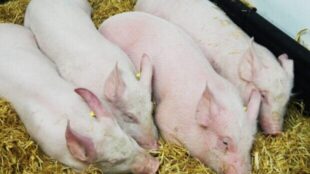
Now that the Annual Health and Welfare Review is open, I’d like to share more about the next step on the Animal Health and Welfare Pathway: Animal Health and Welfare grants.
Fran heads up policy development for multiple components of Defra's Animal Health and Welfare Pathway, leading teams which are focused on grants, payment-by-results and labelling. Her team also specialises in providing advice on farm animal welfare and co-designing with industry.
Now that the Annual Health and Welfare Review is open, I’d like to share more about the next step on the Animal Health and Welfare Pathway: Animal Health and Welfare grants.
Today, we published our initial priorities for the Animal Health and Welfare Pathway. They represent some of the best opportunities for improving animal health and welfare we have across each livestock sector. In this post, I’ll share those priorities.
This blog is managed by Defra’s Farming Directorate.
We explain the reforms to agricultural policy in England.
We share what we’re working on, what we’re learning and how you can get involved. Find out more

Each month, we bring together the latest policy updates, funding opportunities, consultations, research and statistics, helping you stay informed about the issues that matter to you.

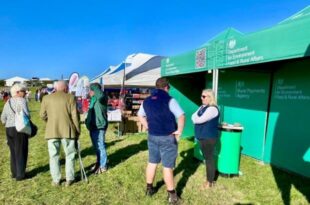
7 October Dairy Show at The Bath & West Showground, Shepton Mallet, Somerset.
10 October Alwinton Show at Gallow Law, Alwinton, Northumberland.
Find a list of the other shows and events we’re attending in 2026

Drought is putting real pressure on farmers this year. The Environment Agency is giving farmers greater flexibility by letting existing abstraction licence holders start refilling their water storage reservoirs early, a month ahead of usual schedule. This temporary change runs from 1 October to 31 October.
We recognise the difficulty in getting a long duration abstraction licence and the blocker this presents to long-term investment in sustainable abstraction practices.
As part of the package announced on 1 October to support farmers to access water, the Environment Agency have made it easier for those who don’t currently have an abstraction license to apply for licences that better support long-term investment.
Full details of the changes and information on how to be compliant can be found on the Environment Agency blog.

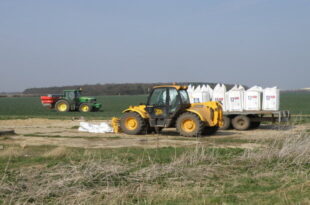
If you are ordering fertiliser for the coming season, check that it can be stored safely and securely before delivery. The action you need to take depends on the type and quantity of fertiliser.
Follow the relevant guidance to protect people, prevent contamination or deterioration, and meet the rules for storing ammonium nitrate and other substances.
Read the AIC’s guide to storing, handling & transporting ammonium nitrate and the HSE’s steps to take.

The Farming Advice Service (FAS) provides free, confidential advice to farmers and advisers.
Catchment Sensitive Farming (CSF) helps farmers in England protect water, air and soil. CSF advisers can provide advice on best practices and specific actions that will benefit your farm business and the environment.
We’ve compiled a list of organisations offering wellbeing support to those in the farming community.

Read the new guidance to understand what the changes could mean for your business and how to prepare.