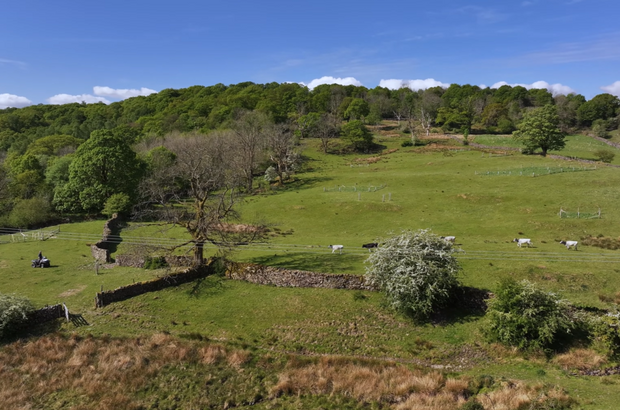
Tenant farmers manage a third of all farmland in England. They are vital to food production, look after our land, support rural communities and underpin the £160 billion agri-food sector.
While it can be difficult to get into farming, the tenanted sector offers a route to new entrants that does not depend on owning land. Tenancies also provides a way for established farmers to expand and grow their farm businesses.
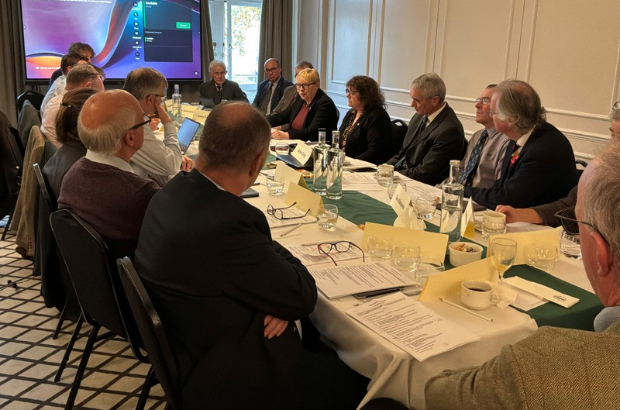
Defra Secretary of State Dame Angela Eagle spoke to the Tenant Farmers Association (TFA) National Executive Committee on 11 November and reaffirmed her commitment to supporting tenant farmers.
Dame Angela Eagle invited the tenanted sector to work with Defra to develop a shared plan to build a resilient, profitable and productive tenanted sector, as part of the government’s next step to deliver the Farming Roadmap.
Here is what was discussed and what it means for tenant farmers, landlords and advisers.
Developing a long-term vision
The Farming Roadmap and the Land Use Framework set out the government's vision for agriculture. They explain how we will use land to meet our food security and environmental goals over the long term.
Both recognise the importance of the tenanted sector in delivering these goals.
Partnership is key to achieving the vision that these strategies set out. We are starting to develop a long-term vision for tenant farming, in partnership with the sector, with two aims:
- A resilient, profitable and productive sector - We want tenant farm businesses to be resilient, profitable and productive. Sustainable food production should be maintained or increased on tenanted land where agriculture can thrive
- A fair transition - to enable tenant farmers to adapt to and access land use change opportunities. This includes diversification, access to government schemes and access to private sector nature markets
Over the coming months, we'll work with industry representatives - such as the TFA, CLA, NFU and professional bodies - to set up workshops with tenant farmers, landlords and advisors to gather views and ground our plan in lived experience.
Anyone interested in getting involved can contact Defra at agriculturaltenancies@defra.gov.uk and we will be in touch with a list of engagement opportunities in due course.
To achieve these outcomes, these workshops will help identify the barriers and issues facing the tenanted sector that need to be addressed. We want to see that:
- tenants have the confidence to invest in and grow their businesses, with more longer-term tenancies giving them the security to invest and access private finance
- landlords have the confidence to let land and run profitable rental businesses, so they can invest in their holdings and offer opportunities to existing tenants and new entrants
- tenants apply sustainable farming practices such as lower input farming, soil health, climate resilience and water management, with fair access to government funding
- tenants, landlords and advisers work collaboratively
- the Agricultural Landlord and Tenant Code of Practice for England is adopted across the sector to ensure all parties are treated fairly
- government and regulators consider tenure in all policies and schemes that affect tenant farmers
Speaking on Defra's plan to develop a long-term vision for the tenanted sector, TFA Chief Executive George Dunn said:
"It was great to hear the Secretary of State's heartfelt commitment to a long-term vision for the tenanted sector of agriculture when she addressed the TFA National Executive Committee. For too long, the sector has been held back by short-term agreements, restrictive tenancy terms and difficult relationships. These were all matters that the Secretary of State took time to discuss and understand.
"It's positive to see Defra recognise the importance of the tenant farming sector to help deliver the outcomes of the Farming Roadmap and Land Use Framework. Defra's desire to work positively with the TFA and the wider tenanted sector is hugely welcomed. It's essential that we take this opportunity to deliver a better platform for the tenanted sector to thrive with long term, flexible and fair agreements so that it can play its full part in delivering the food and environmental security that our country needs."
Gavin Lane, Country Land and Business Association (CLA) President, said:
“The CLA welcomes this collaborative approach. We must deliver a flexible tenanted sector that attracts new entrants and ideas that can adapt to fluctuating profitability and different market outcomes.
“The sector must be able to respond to the changing demands of government policy, environmental delivery and climate change while recognising the objectives of both landlords and tenants and other routes into agriculture alongside tenancies.”
What we have done so far
This work builds on action we are already taking to support the tenanted sector:
Commissioner for the Tenant Farming Sector
We appointed Alan Laidlaw as England's first Commissioner for the Tenant Farming Sector and for over a year, Alan Laidlaw has been encouraging collaborative relationships between tenants, landlords and advisers.
Alan has provided a route for those who may feel unable to raise concerns themselves and has ensured that the voices of tenants across the country have been heard. The Commissioner’s office promotes awareness of the Agricultural Landlord and Tenant Code of Practice, highlights poor behaviours and systemic challenges, builds strong relationships across the sector, and feeds frontline insight into Defra policy development.
In year two, the Commissioner will expand engagement, strengthen intelligence-sharing, encourage greater sector ownership of the Code, and continue using evidence, case studies and reporting to support a thriving tenant farming sector.
You can read more about the work of the Commissioner in this blog post published last week.
If you want to raise an issue with the Commissioner’s office, you can contact them through the GOV.UK service or via email at ctfs@defra.gov.uk.
Farm Tenancy Forum
We’re reforming the Farm Tenancy Forum to give tenant farmers a bigger role in making policy. We understand that Tenant farmers may have different views depending on their type of tenancy, business and location.
We are therefore bringing together a Tenant Farmer Group so we can gather insights from a range of tenant farmers. The group will meet before each meeting of the Farm Tenancy Forum to discuss the issues the Forum will discuss. Two members will then go to the Forum and share the group's views, so they feed directly into policy.
Longer-term tenancies
Longer tenancies can help provide tenants the security needed to invest in food production and environmental improvements.
The Farm Tenancy Forum's guidance on longer-term tenancies sets out these benefits in more detail and provides clear guidance on what both landlords and tenants should consider.
Defra is working with larger and institutional landowners through the National Estate for Nature group to explore pioneering models of longer-term tenancies. These tenancy agreements have a specific focus on environmental improvement alongside food production.
By identifying and sharing best practice models that benefit both landlords and tenants and showing how they have been implemented in practice, we can encourage other landlords to take a similar approach.
Law Commission review
The Law Commission’s independent review of agricultural tenancy law kicks off next year. Our work to establish a long-term vision to the sector will set out the future outcomes that the law needs to support. The Commission’s review is expected to include consideration of whether the current law:
- gives tenants enough security to invest and keep their farms viable
- gives new entrants opportunities to farm
- gives landlords the confidence to let land





Leave a comment