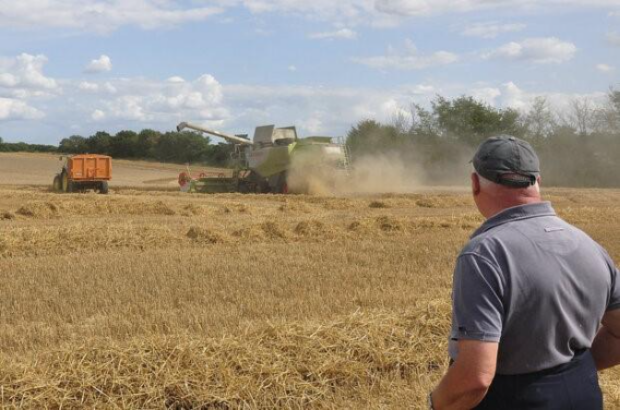
From the food on our plates to fuel in our tanks, combinable crops (crops that are cut using a combine harvester) are part of all our lives.
That is why we have opened a public consultation to hear views on how contracts operate across the combinable crops sector.
Improving fairness across the supply chain is a government priority, and a stronger, more transparent system is essential to long-term food security.
The consultation is one step towards improving how farmers are treated when selling crops such as wheat, barley, oats and oilseed rape. In this post, we share the background and a link to the consultation.
Background
After one of the most difficult harvests in years, with rising costs, unpredictable markets, challenging weather and tighter margins, concerns about how contracts work have grown.
Many producers report that current arrangements leave them exposed to risk with little negotiating power.
The Contractual practice in the UK combinable crops sector consultation seeks views on how contracts operate and whether they are fair. In particular, the consultation asks farmers, traders and processors about:
- clarity of standards
- sampling and testing procedures
- supply volumes
- data sharing
- dispute resolution
Feedback will help shape proposals for clearer contracts and fairer treatment for producers. The aim is to ensure farmers receive a transparent price for their produce and understand how that price is set.
This consultation is an opportunity to share experiences and evidence.
Respond to the consultation
Contractual practice in the UK combinable crops sector
- Consultation opens: Wednesday 10 December 2025
- Consultation closes: Wednesday 4 February 2026
The consultation is public and open to all, but if you work in the arable supply chain, your voice is especially important. Please share it with:
- farmers and growers
- merchants and processors
- hauliers and store operators
- industry bodies and cooperatives
- advisers, consultants and supply chain professionals
Towards a fairer supply chain
The Agriculture Act 2020 gave government new powers to intervene in cases where farmers are treated unfairly by buyers.
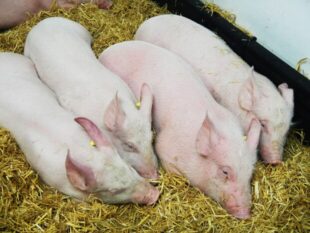
Those powers have already been used to try to improve contracts in the dairy and pig sectors, with new rules introduced to protect producers and promote transparency.
For example, in August, the Fair Dealing Obligations (Pigs) Regulations 2025 came into force, meaning pig farmers now have better protection against unfair contract terms.
Additionally, all milk purchase contracts must now meet the requirements of the Fair Dealing Obligations (Milk) Regulations 2024.
You can learn more about this by listening to our recent podcast with the Agricultural Supply Chain Adjudicator: Farming podcast: how to build a fairer, more transparent supply chain.
Eggs and fresh produce are currently under review.
The Contractual practice in the UK combinable crops sector consultation complements wider work to protect farmers in trade deals, strengthen supply chain resilience, lower costs for consumers, and deliver a thriving, innovative food sector through the Good Food Cycle.
We’ll update you with our progress.
Subscribe to the Farming blog for the latest updates from Defra’s Farming and Countryside Programme. By subscribing, you’ll receive an email notification whenever we publish a new post.


 The
The 
2 comments
Comment by Rosie Jarvis posted on
I find there’s so many rules for farmers now and so much to read alot just don’t have time for all these different papers you bring out as well as all their farm work unless they have a good manager. Im glad the government are looking at farming but do wish the government would change the inheritance tax as it’s such a worry for farmers….
Comment by Sarah Stewart posted on
Hi Rosie,
Thank you very much for getting in touch. Scheme guidance and regulation can feel like a lot to take in, especially alongside the demands of day-to-day farm work. On GOV.UK (the official home of this information), content designers routinely look for ways to simplify how information is presented so it’s easier for people to find what matters to them without adding to their workload.
Here on the blog, we only publish posts when we think the information will be genuinely useful — whether it’s something a farmer needs to do, something that could help their business, or, in the case of consultations, an opportunity to have a say on an issue that affects them. The blog also lets the team work more transparently, sharing its thinking and progress as openly as possible.
You mentioned inheritance tax, which we know has been a major concern for farming families. The government recently announced that any unused £1 million allowance for Agricultural Property Relief and Business Property Relief will be transferable between spouses and civil partners, bringing it in line with the treatment of the nil-rate band and residence nil-rate band. This change will make the inheritance tax rules for those with agricultural and business assets simpler and more consistent. There are some examples of how this will work here: https://www.gov.uk/government/news/what-are-the-changes-to-agricultural-property-relief
I appreciate you taking the time to share your perspective. These issues matter and feedback helps shape how we improve policy, communicate it, and support the sector.
Best wishes,
Sarah