First precision breeding and low emissions projects awarded funding 

Posted by: , Posted on: - Categories: Payments for research and innovation
precision_plants_founders_mark_turner_wearing_gloves_and_charles_clowes_holding_hemp_dna

From rubber made from dandelions to climate‑friendly faba beans in dairy farming, we’re pleased to highlight the innovative projects to receive funding under the first round of precision‑breeding and low‑emissions competitions.

Making our funded vet visits work better for pig farmers

Posted by: , Posted on: - Categories: Payments to support animal health and welfare
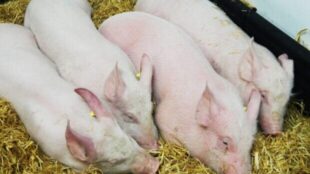
Several piglets with brown coats and dark spots are feeding from a sow while lying on straw bedding.

Porcine Reproductive and Respiratory Syndrome (PRRS) testing is a required part of the animal health and welfare review for pigs. From 22 January, vets will be able to use blood samples as an alternative to oral fluid samples, making it easier for pig farmers to take part in the review.

FiPL at four: making a difference across protected landscapes

Posted by: , Posted on: - Categories: Payments to support National Parks, National Landscapes and the Broads
A flock of white sheep standing and grazing on open moorland, with rolling hills and sparse shrubs in the background under natural daylight

Now in its fourth year, the Farming in Protected Landscapes programme is helping farmers and land managers in England’s protected landscapes farm more sustainably while restoring nature, heritage and access to the countryside. This post highlights what collaborative working has achieved.

Animal Welfare Strategy for England published

Posted by: , Posted on: - Categories: Animal Health and Welfare, Payments to support animal health and welfare
A person in farm clothing bends down to stroke a black-and-white calf through a metal feeding barrier, with straw bedding and farm buildings in the background.

The government has today launched a new Animal Welfare Strategy. It sets out a comprehensive programme of reforms to improve the lives of millions of animals across England, from farm animals and pets to wildlife. In this post, we’ll summarise what this means for livestock keepers and the wider rural community.