Watch: how a White Peak beef farmer uses herbal leys
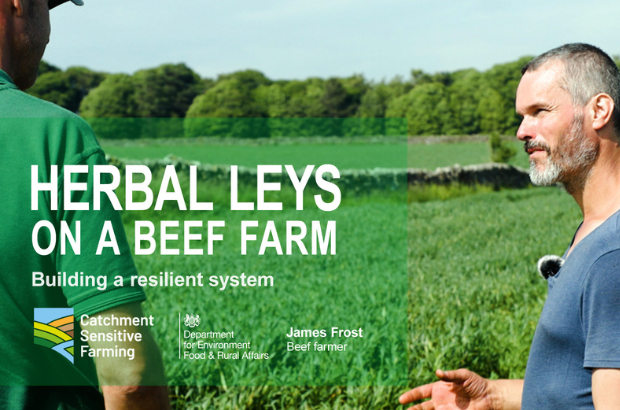
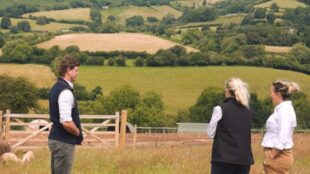
In the latest film in our White Peak herbal leys series, beef farmer James Frost shares how he establishes and manages herbal leys to support forage quality, soil health and biodiversity.
In the latest film in our White Peak herbal leys series, beef farmer James Frost shares how he establishes and manages herbal leys to support forage quality, soil health and biodiversity.
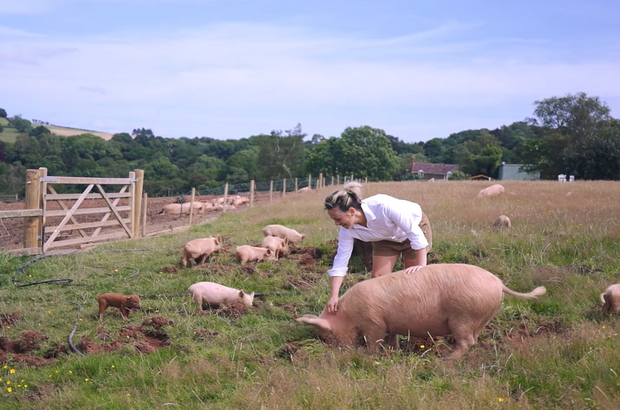
The pig survey deadline has been extended to 31 July 2026 to give more people the opportunity to participate.

The government is agreeing a new deal with the EU to make it easier to trade and move plants, animals, food and related products between the UK and EU. We’ve now published guidance to help businesses understand what these changes could mean in practice and the steps they may need to take to prepare.
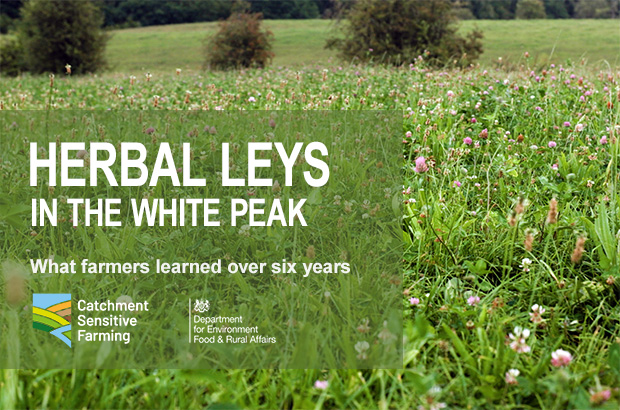
Last summer, we visited farmers in the Derbyshire White Peak to hear what they’ve learned from growing herbal leys in improved grassland systems. Working with Catchment Sensitive Farming adviser Ben Rodgers, they have been exploring how multi-species swards can be integrated into grassland farming. In this post, we’re sharing the first films from that work.
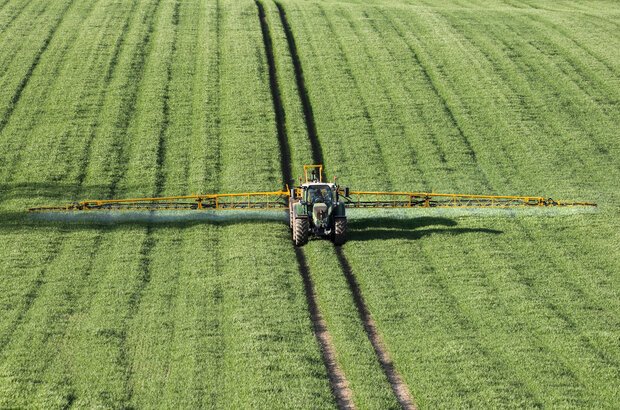
Although supply remains stable, we know higher fertiliser prices and market volatility are making it harder for you to plan and budget. In this post, we’ll share tools and tips to help you plan nutrient use with more confidence.
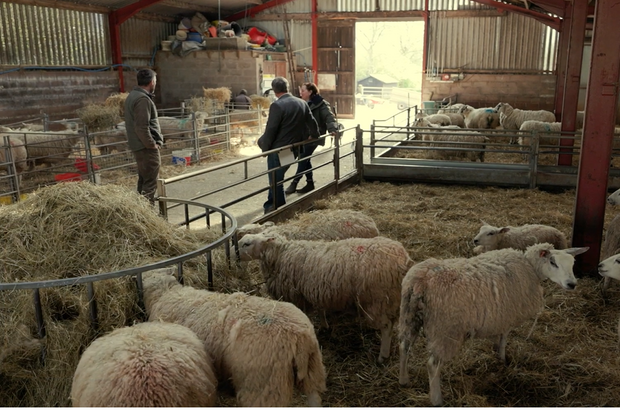
The government is working on a new food trade agreement with the European Union (EU) to make it easier for farmers and food producers to trade. This post explains the background to the agreement, what it is meant to do, and how you can keep up with progress.
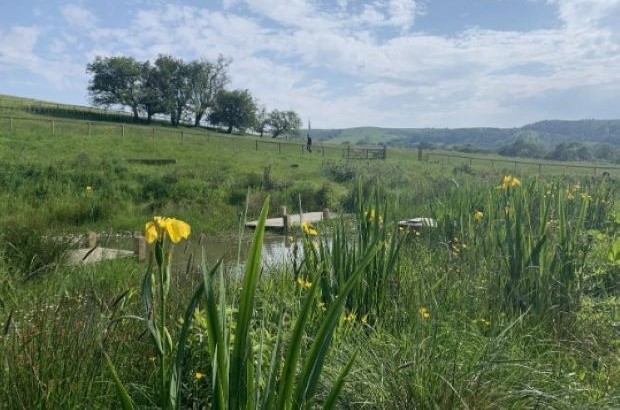
Whether you’re looking to improve soil health, manage flood risk, diversify income or plan future environmental activity, your Local Nature Recovery Strategy can help you decide what to do.

Defra’s network of agri-food attachés helps UK farmers and food producers get their products onto international shelves and grow their businesses overseas. In this post, we explain what they do and include links for those looking to expand their international sales and find the best markets for their products.
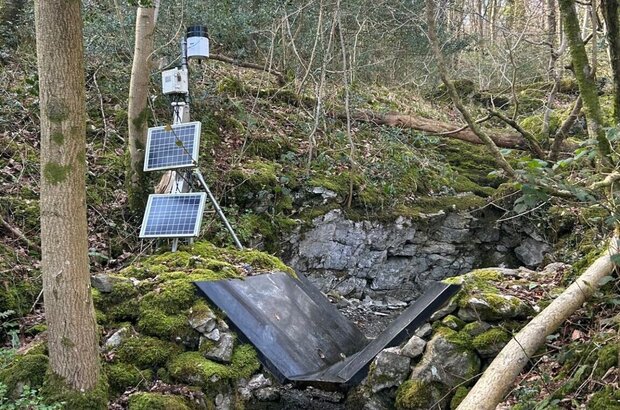
Last year, money collected from fines on water companies between April 2022 and October 2023 was invested in the £11 million Water Restoration Fund. In this post, we share the list of successful grant applicants and highlight one of the projects.
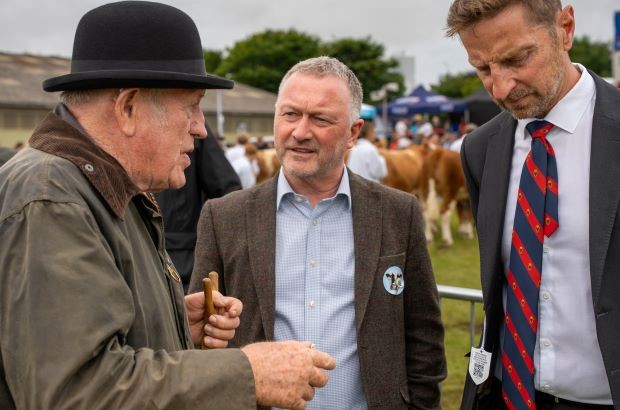
Following the Spending Review, Defra has secured a multi-year funding commitment from HM Treasury. More than £2.7 billion a year will be invested in sustainable farming and nature recovery from 2026 to 2029. Funding for the Environmental Land Management Schemes paid to farmers will increase by 150% over this time period.
Each month, we bring together the latest policy updates, funding opportunities, consultations, research and statistics, helping you stay informed about the issues that matter to you.
Meet the team in September
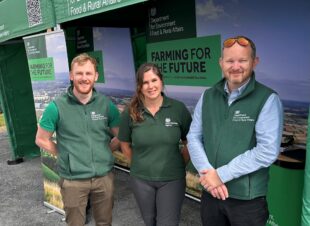
16 September UK Dairy Day at Telford International Centre, Telford, Shropshire.
19 September Isle of Wight Ploughing Match at Isle of Wight, Hampshire.
26 September Southwell Ploughing Match and Show at Southwell, Nottinghamshire.
Find a list of the other shows and events we’re attending in 2026
The Farming Advice Service (FAS) provides free, confidential advice to farmers and advisers.
Catchment Sensitive Farming (CSF) helps farmers in England protect water, air and soil. CSF advisers can provide advice on best practices and specific actions that will benefit your farm business and the environment.
We’ve compiled a list of organisations offering wellbeing support to those in the farming community.

Read the new guidance to understand what the changes could mean for your business and how to prepare.

From 6 April 2026, qualifying agricultural and business assets will continue to receive full inheritance tax relief up to a combined value of £2.5 million. Lower relief rates will apply to assets above this amount. Learn more

Innovate UK Business Connect invites you to join its new directory and connect with public sector buyers.